Dataiku joins the agentic AI foundation to strengthen AI trust
February 17, 2026/2 min read/Hannes Hapke
AI systems are making critical decisions right now, yet most organizations can't explain how those decisions are made. This opacity isn’t just a technical gap; it’s an accountability crisis.
In fact, according to our just-released research based on a Dataiku/Harris Poll of 600 enterprise CIOs, 85% say gaps in traceability or explainability have already delayed or stopped AI projects from reaching production.
Businesses are increasingly deploying autonomous agents for mission-critical tasks, and the window to establish responsible AI practices is closing fast.
Today, Dataiku is taking action.
Dataiku's newly established 575 Lab is dedicated exclusively to creating tools to execute on responsible AI principles. These will not be proprietary solutions built behind closed doors. We're developing critical trust infrastructure in the open, where it belongs. Dataiku joined the Linux Foundation and the Agentic AI Foundation (AAIF) — both industry-defining organizations — and Dataiku’s 575 Lab is committed to collaboration over competitive advantage on this front.
To start, we're releasing two production-ready toolkits. These are not research papers, but deployable systems with complete implementations, hosting configurations, and customization frameworks, and include:
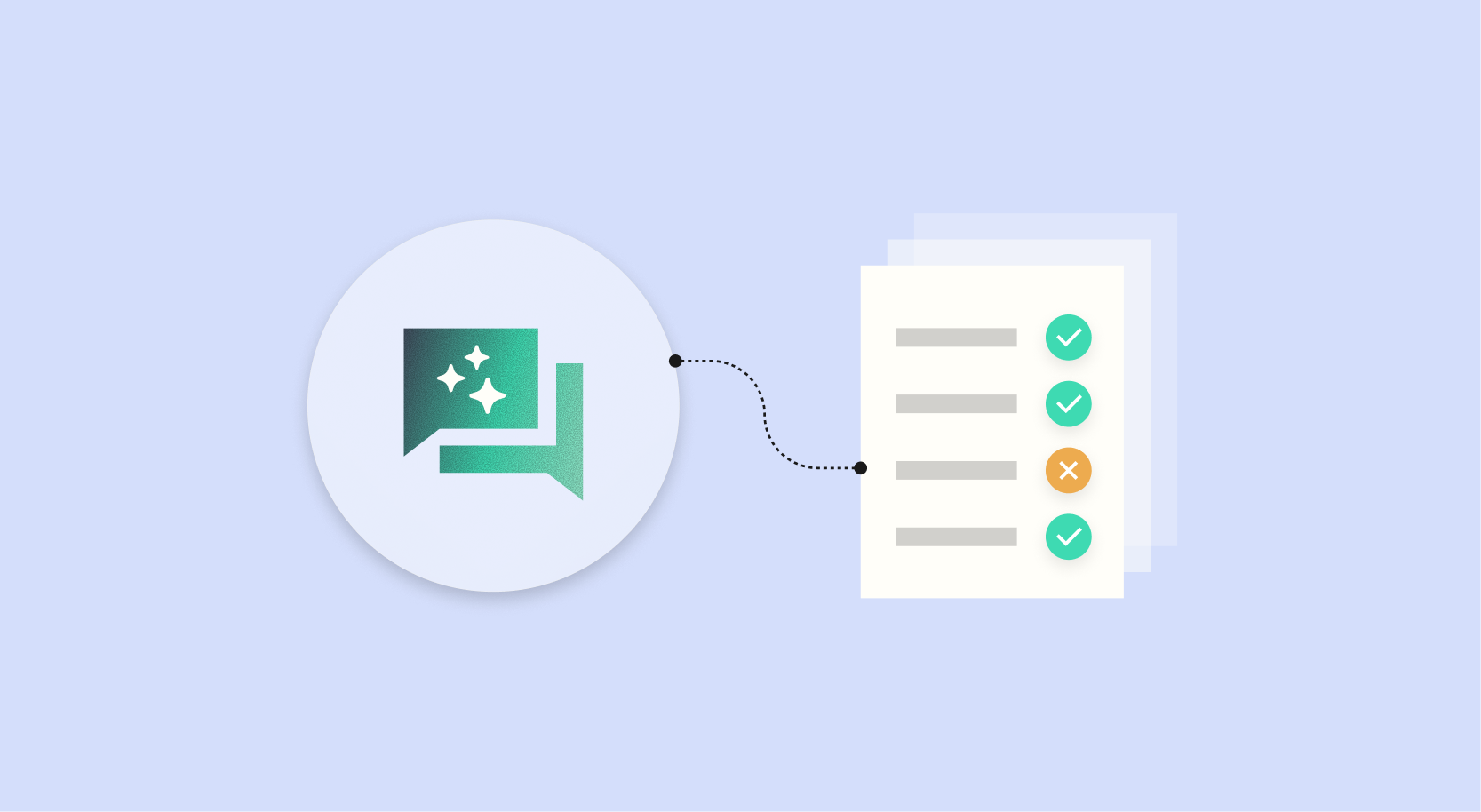
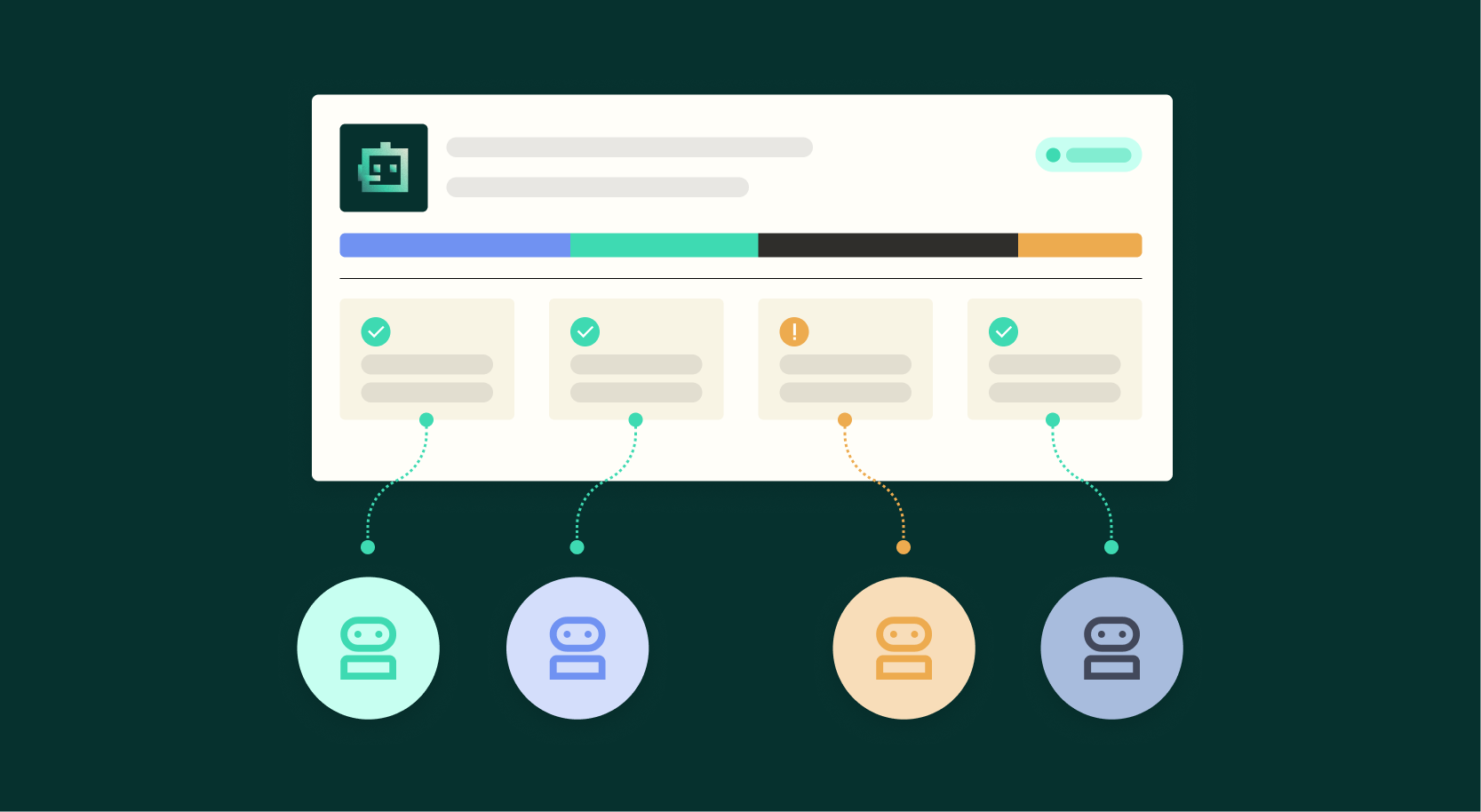
1. Agent explainability tools – Trace decision-making across multi-step agent workflows, making LLM reasoning transparent for data scientists, compliance teams, and end users alike.
2. Privacy-preserving proxies – Full end-to-end solutions for protecting sensitive data sent to closed-source models, including datasets, trained models, fine-tuning pipelines, and proxy applications your teams can run locally.
Both of these tools align with our principles outlined in the RAFT Framework, primarily in the categories of Reliable and Secure, and Transparent and Explainable.

Here's the paradox: Closed-source models, such as GPT-5 or Claude Sonnet, power countless applications; yet, organizations have no visibility into their decision-making processes, and the lack of trust by the users isn’t addressed. Open source tooling is the only way to create a trust layer around closed systems.
Traditional ML had interpretable models or traceable activations. LLMs — especially when operating as agents across multiple iterations — generate human-like responses that can deceive users into overconfidence while hiding complex reasoning chains.
So, what’s the fix? We need external frameworks to illuminate these black boxes, and those frameworks must be open to scrutiny, community validation, and universal adoption. Proprietary trust tools create vendor lock-in on the very infrastructure meant to protect users.
Open source isn't just about code availability; it's about accountability. We're building with:
Community scrutiny to ensure rigor, no proprietary team can match
Model-agnostic design supporting explainability for all open-source and privacy-preserving proxies supports all major closed-source LLMs
Production focus with vLLM integration, example agents, and deployment guides
Active collaboration through regular office hours, Slack channels, and partnership opportunities.

The responsible AI ecosystem needs more than Dataiku. We're actively seeking partners, from startups to enterprises, to collaborate on these critical challenges.
Act now:
Partnerships: [email protected]
AI agents are already making autonomous decisions in your industry. The critical question isn't whether we need responsible AI, but whether we can build it into these systems in time. Join us in this mission.