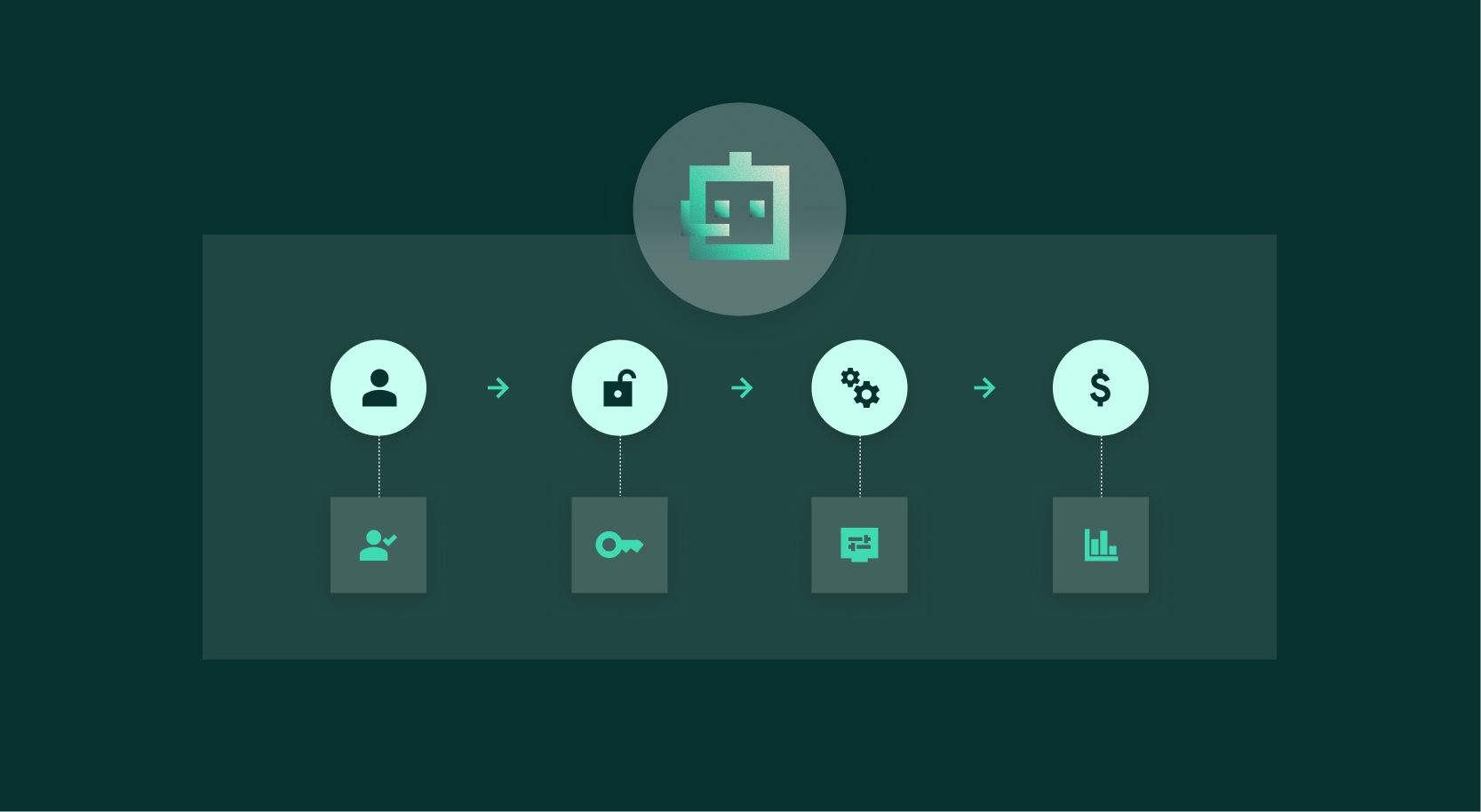
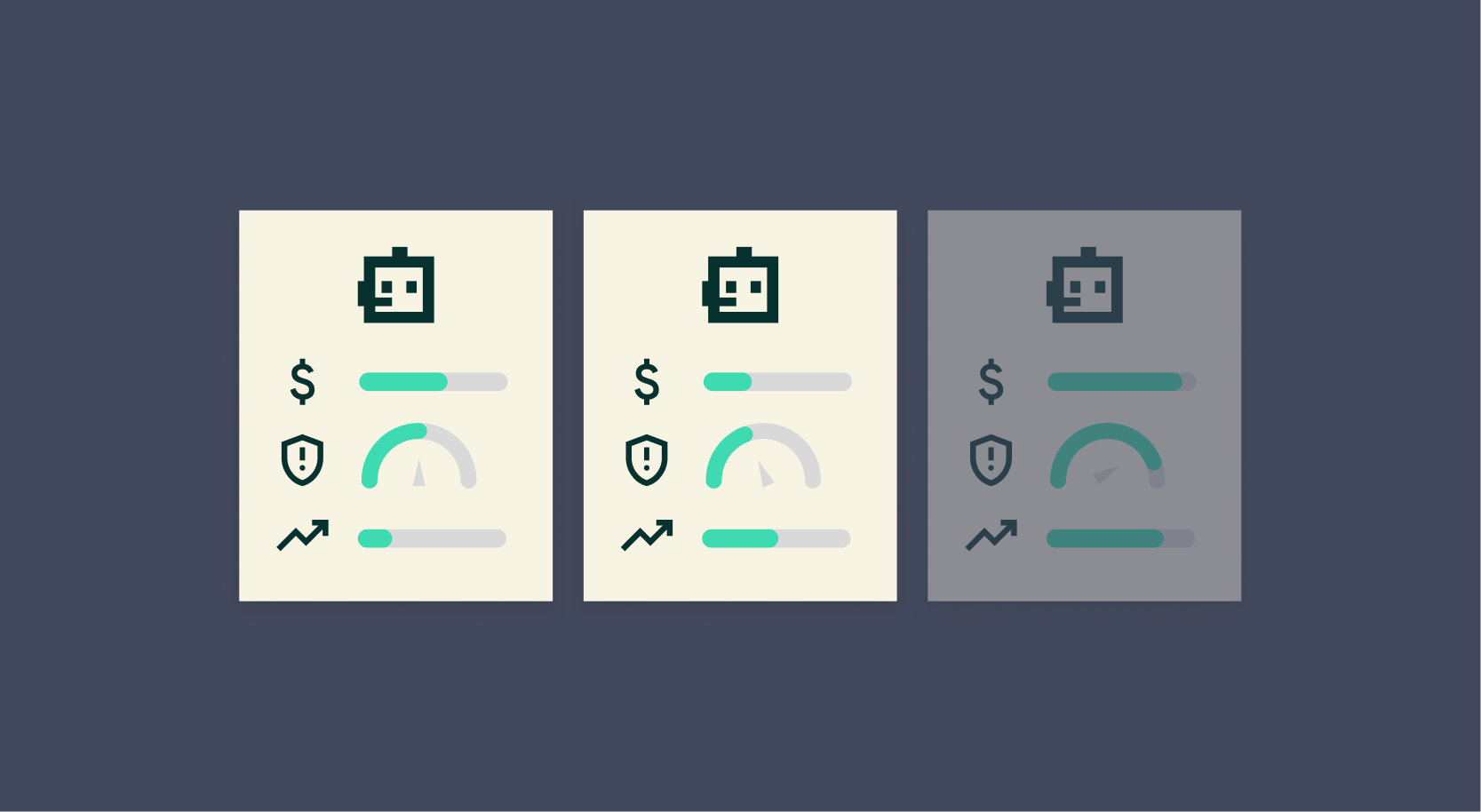
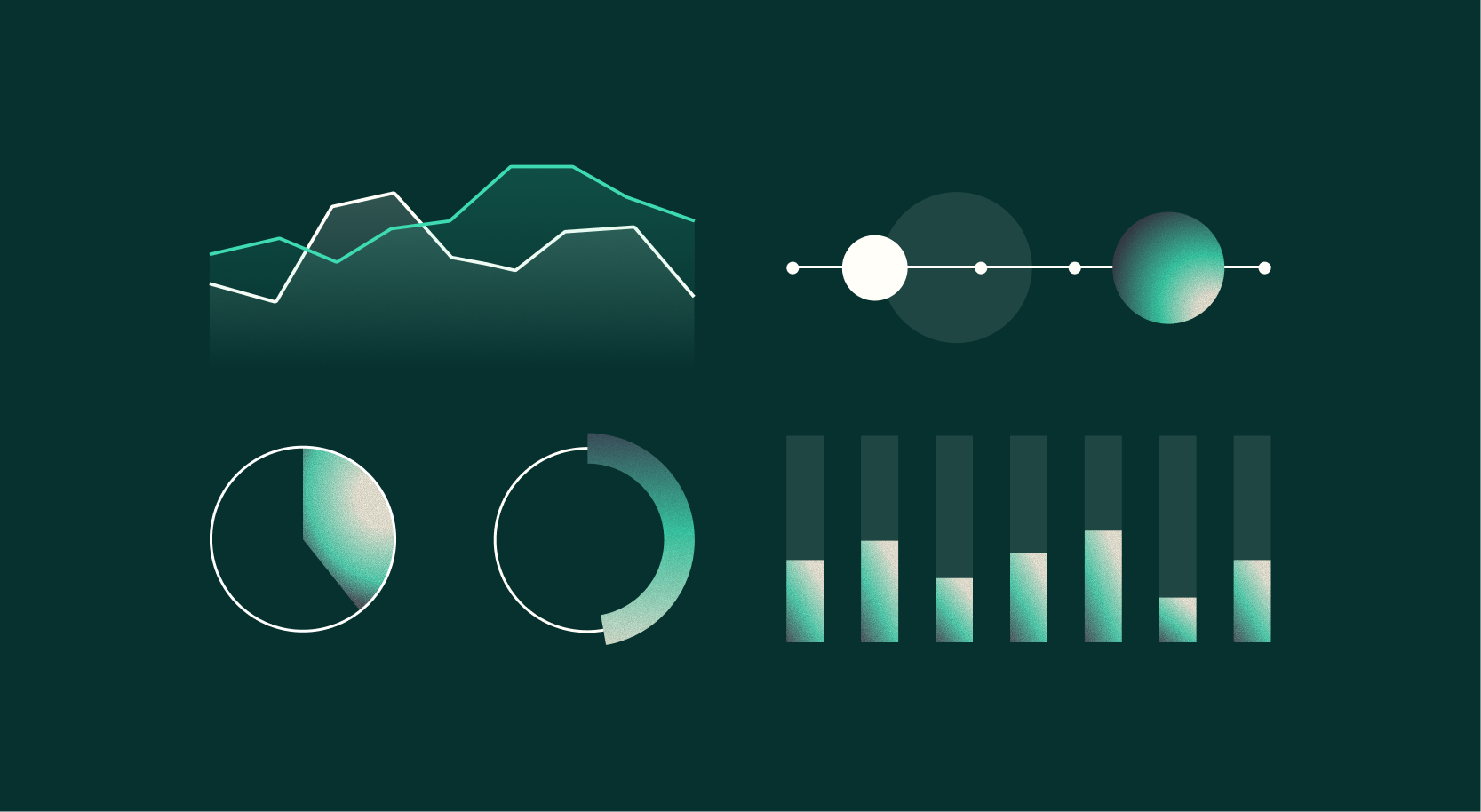
You don't need to code. You need Cobuild.
July 21, 2026/3 min read/John McCambridge
The agentic era is not one in which every team should be vibe coding their workflows. For those who don’t know how to code, the output is a black box they can never trust. For those who can, the spaghetti coming out of the agent is as likely to slow down validation and review as it is to speed them up.
What is needed is an agent that turns complex instructions and concepts into a well-defined sequence of visually inspectable steps, each one verifiable as correct by someone who understands the concepts being implemented, not the code. What is needed is Dataiku Cobuild.
Most software gets built through trial and error. A team ships something, users run into bugs or find a confusing flow, complaints come in, and the next release fixes what broke. That cycle repeats until the product feels solid. It's a perfectly reasonable way to build software, and it makes consumer software firms a lot of money.
It's also not an option for finance, audit, or risk teams, whether they sit inside one of those software companies or inside any organization of any size. There is no next release to catch a mistake in a reconciliation or a risk report.
For those teams the work must be correct, and provably so, the first time it leaves the team. The target number of errors is zero, every time. And far worse than an error is ignorance. A wrong number presented despite the team's best efforts, with a process as robust as the available tools allow, is painful but manageable. A wrong number presented because the team does not understand how or why their process functions is a disaster.
The process must not only be designed to be right as consistently as possible; it must also be designed to be audited for rightness. The team themselves, and a third party, must be able to step in and prove to their own satisfaction that the process produces sensible, correct outputs in sensible, correct ways.
Proving a process is correct, and keeping it that way, was supposed to have an easy answer: learn to code. Code is deterministic, testable, version-controlled, and auditable, everything a spreadsheet usually is not. And yet this was never the way: the vast majority of teams pushed forward with ever more elaborate Excel workbooks, perhaps with a dashboard or two on top, and code remains on the fringes of most workflows to this day.
That's the old failure mode. A newer one has since arrived, one that obfuscates the 'learn to code' barrier rather than removing it. The newest generation of tools are genuinely good at writing code fast. But trust, not speed, was always the missing ingredient for teams like finance, audit, and risk. A faster way to produce a black box is still a black box, and a team that can't explain its own process to an auditor is no better off because the process was generated by an agent instead of typed by hand.
The tools changed. The underlying problem didn't: nobody outside the person who built the process can verify that it's right. With vibe coding, even that person can't always explain it.
This is not unique to any one function. Pick almost any team that runs a recurring, high-stakes process on a spreadsheet, and the pattern repeats. Take finance and monthly reconciliation as one version of it.
The process lives in a workbook passed between analysts for years. A macro pulls transactions from one system, VLOOKUPs match them against another, and a handful of hardcoded adjustment cells cover exceptions nobody remembers the origin of. The person who built it left the company two years ago.
The current owner can run it and usually gets the numbers to tie out, but if a reviewer asks why an adjustment exists, the honest answer is "that's just how the sheet does it." Every month end, someone opens the file, holds their breath, and hopes nothing breaks.
The team turns to a coding agent instead. They describe what's needed in plain language and get a working script back in minutes, and central IT and compliance never hear about it. The coding agent pulls the data, matches transactions, flags exceptions. It's fast, and it runs. But the logic lives in code that only one person on the team, or no one on the team, can validate.
The reviewer who needs to sign off can't open the script and follow the matching rules the way they could a flowchart. When the bank changes its file format, that same person has to go back, re-prompt, and hope nothing else quietly changed in the process. The team moved faster. But what they're trusting still isn't something they, or an auditor, can actually see or control.
The team describes what they need in plain language: match transactions between the general ledger and the bank statement, flag anything over $500 that doesn't clear within three days, and route flagged items to a reviewer queue. Cobuild builds this as a Dataiku flow, a sequence of visual steps showing exactly what data goes in, what happens to it, and what comes out.
Central teams have full approval authority before this replaces anything. The analyst can walk an auditor through it step by step without touching a line of code. When the bank changes its file format, someone describes the change and the flow updates, still visual, still versioned, and still reviewable by anyone before it runs.
Swap reconciliation for whatever your version of this is: supplier scorecards, headcount reporting, capacity planning, regulatory reports. The choice is always the same three options: a spreadsheet nobody can fully explain, a script at most one person can read, or a visual, inspectable flow that anyone can understand.
The flow gives the analyst running it, the auditor reviewing it, and the governance team overseeing it the same answer: what's running in production, who built it, and whether it still reflects the assumptions it was built on.
A viable solution is a platform where one person can build complex workflows without writing a line of code, alongside a colleague working in a mix of visual and code-based components, and another spinning up components entirely in the coding language of their choice.
A platform that takes the deterministic, testable, version-controlled, auditable discipline of software engineering and applies it automatically, without fuss, to every step of every project. A platform powerful enough to build out an entire project, not just half of it before hitting a wall. And for a decade that platform has been: Dataiku. And today, this transformation can happen at the fastest pace ever possible with Dataiku Cobuild.