Vestas uses AI agents to streamline wind turbine software support with Dataiku
October 28, 2026/3 min read/Ann Claire Egan
95-99%
targeted reduction in ticket assignment time
Up to 40%
projected reduction in overall ticket handling and lead time
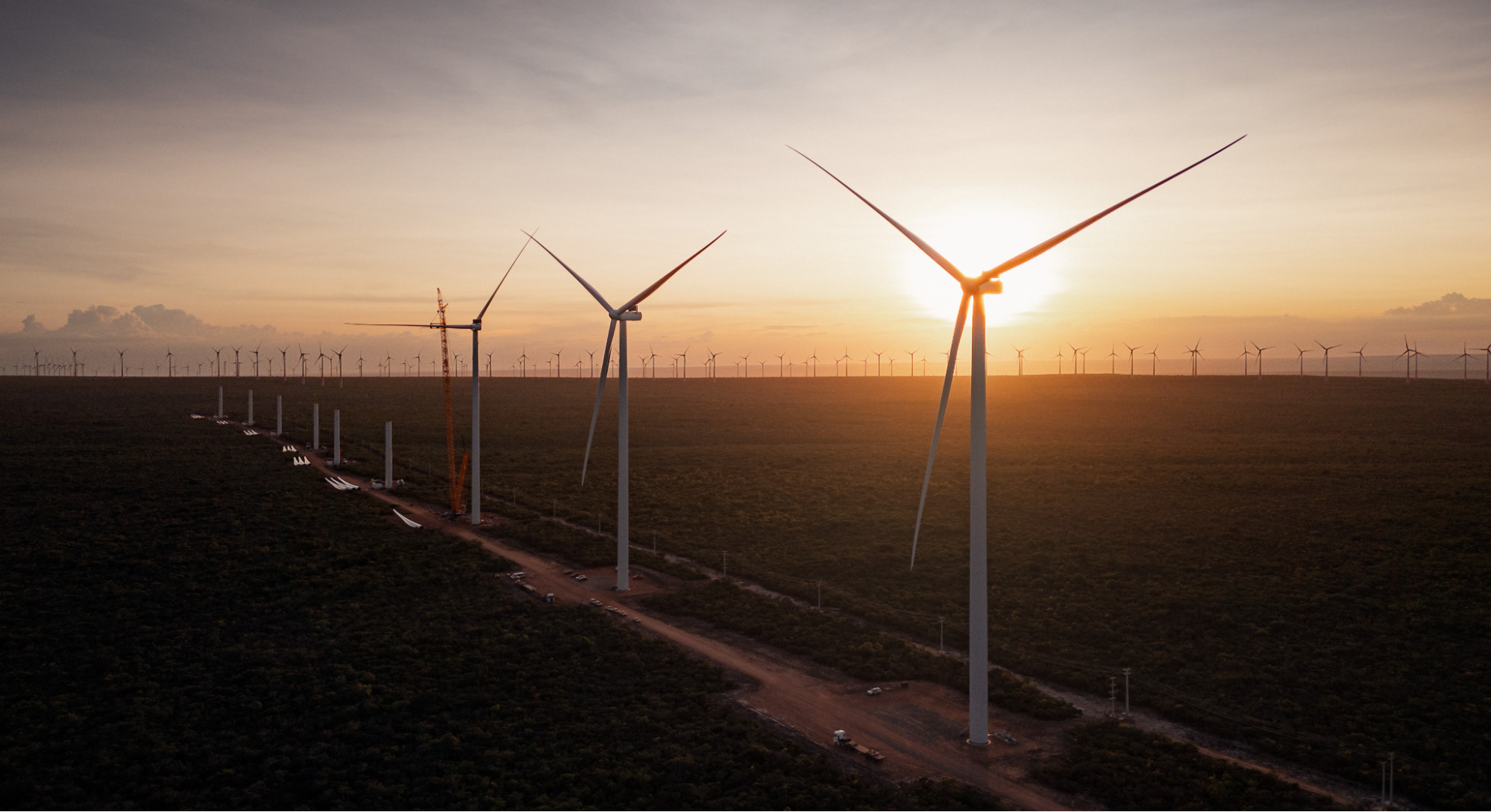
Behind every wind turbine is a highly specialized software environment supported by teams working to ensure reliable and efficient operations. At Vestas, effective software support plays an important role in managing the complexity of a global wind turbine fleet.
Within Vestas’ specific teams work across a complex software environment. When a support ticket comes in, efficient routing helps ensure it reaches the right component or team quickly.
Until recently, that first step was highly manual. Each ticket had to be reviewed, checked against previous issues, and routed to the right specialists. When a case was unclear, teams searched Jira manually or reached out to submodule owners for context.
The knowledge was already there. The challenge was making it easier to connect it with the right person.
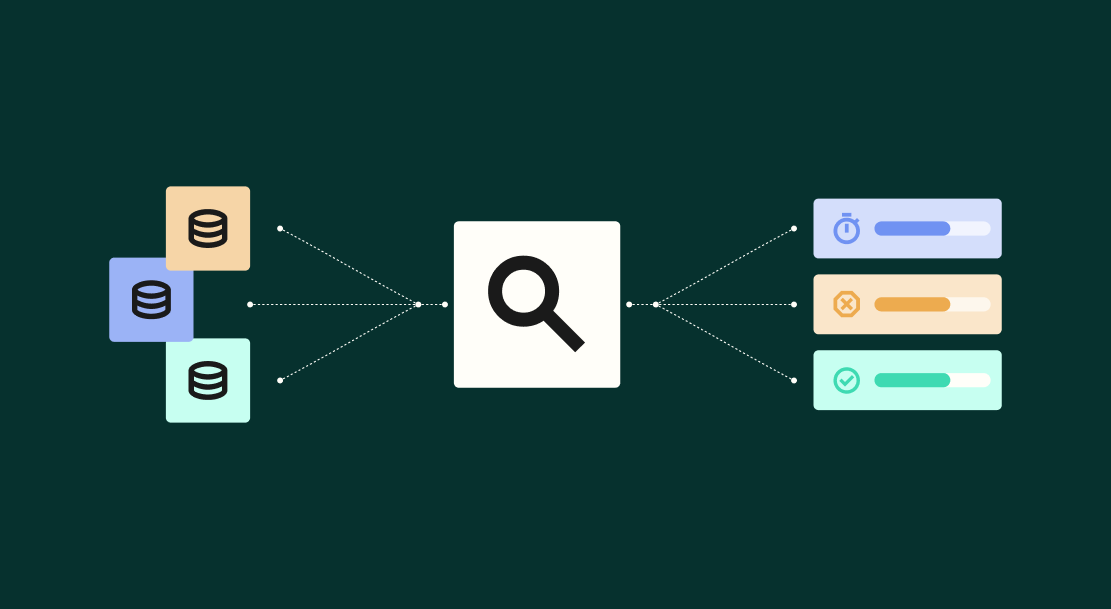
Vestas built a Jira Ticket Management Agent in Dataiku, the Platform for AI Success, that analyzes new tickets, recommends the most relevant component or team, surfaces similar historical issues, and explains the reasoning behind the recommendation.
For the 100 to 150 tickets moving through the process each month, Vestas is targeting a 95%-99% reduction in assignment time — from a 72-hour SLA to less than one hour, and potentially as little as 30 minutes. It also projects up to a 40% reduction in overall ticket handling and lead time.
A new ticket no longer has to start with a manual search. The agent surfaces a recommended component, similar historical tickets, similarity scores, and supporting reasoning directly in Jira. Teams can quickly identify relevant previous cases, see how they were handled, and determine whether a newer software release may already provide the relevant solution.
This gives specialists useful context from the start, making existing knowledge easier to apply and supporting more efficient case handling.
Today, the agent posts recommendations as comments in Jira rather than automatically changing the component field. Engineers review the recommendation and decide what happens next.
This commitment to Human in the Loop (HITL) gives Vestas room to measure accuracy, collect feedback, and refine the system before increasing automation. Evaluation was built into the workflow from the start, with success metrics defined early. The repetitive work gets faster and more consistent. Engineering judgment stays with the people responsible for the decision.
This project required more than a model making a prediction. Vestas used Dataiku and Snowflake as the foundation for an end-to-end agent that connects to Jira, prepares ticket data, combines machine learning, large language models, and retrieval-based search, and returns recommendations directly into the support workflow.
Bringing those pieces together in Dataiku meant the team could build, test, evaluate, and orchestrate the experience in one governed environment rather than stitching together separate tools.
Vestas is also exploring how to bring turbine logs into the workflow. Combining operational data with Jira history could help the agent identify relevant patterns and provide additional context, extending its value beyond assignment to broader software support. This could enable more effective use of historical cases and provide specialists with richer insights.What started as a focused triage use case is giving Vestas a repeatable model for where AI agents can add value next.