


Picard migrated from SAS to Dataiku to transform customer engagement and operational efficiency with automated workflows and data-driven decisions.
75%
Accuracy in predicting customer segments
To support its accelerated growth, Picard needed to transition from legacy systems to a scalable, agile data platform. The choice was clear: Dataiku.
A Data-Driven Challenge
Historically, Picard relied on SAS for their data operations. While effective in the past, the system began to buckle under the weight of increasing data volumes and the growing complexity of analytics needs.
Attracting top talent was another hurdle; newer generations of data professionals preferred more flexible tools like Python and R over SAS. Collaboration, too, was stifled by fragmented workflows, and separate teams used incompatible tools.
To cap it off, the existing setup offered limited support for machine learning (ML) and predictive analytics — both crucial for driving modern retail strategies. Faced with these challenges, Picard set out to modernize its infrastructure, seeking a centralized platform that could unify workflows, accommodate advanced analytics, and attract skilled data professionals.
The Migration From SAS to Dataiku
Picard’s journey with Dataiku — The Universal AI Platform™ — began in 2020 and, while the migration took a full year, the results were transformative. The team leaned on several strategies to ensure success.
- They utilized the resources of the Dataiku Academy, empowering team members to learn at their own pace and earn certifications that boosted their confidence with the new platform.
- They benefited from the support of an external partner who provided expertise to seamlessly transfer over 15 years of SAS-based workflows during the migration.
- They used personalized coaching to help overcome resistance to change.
- The fostered collaboration across previously siloed teams by centralizing workflows in Dataiku.
With these efforts, Picard not only modernized its data operations but also unlocked the ability to scale analytics projects and integrate advanced ML models into daily decision-making.
A Standout Success: Predicting Customer Lifetime Value
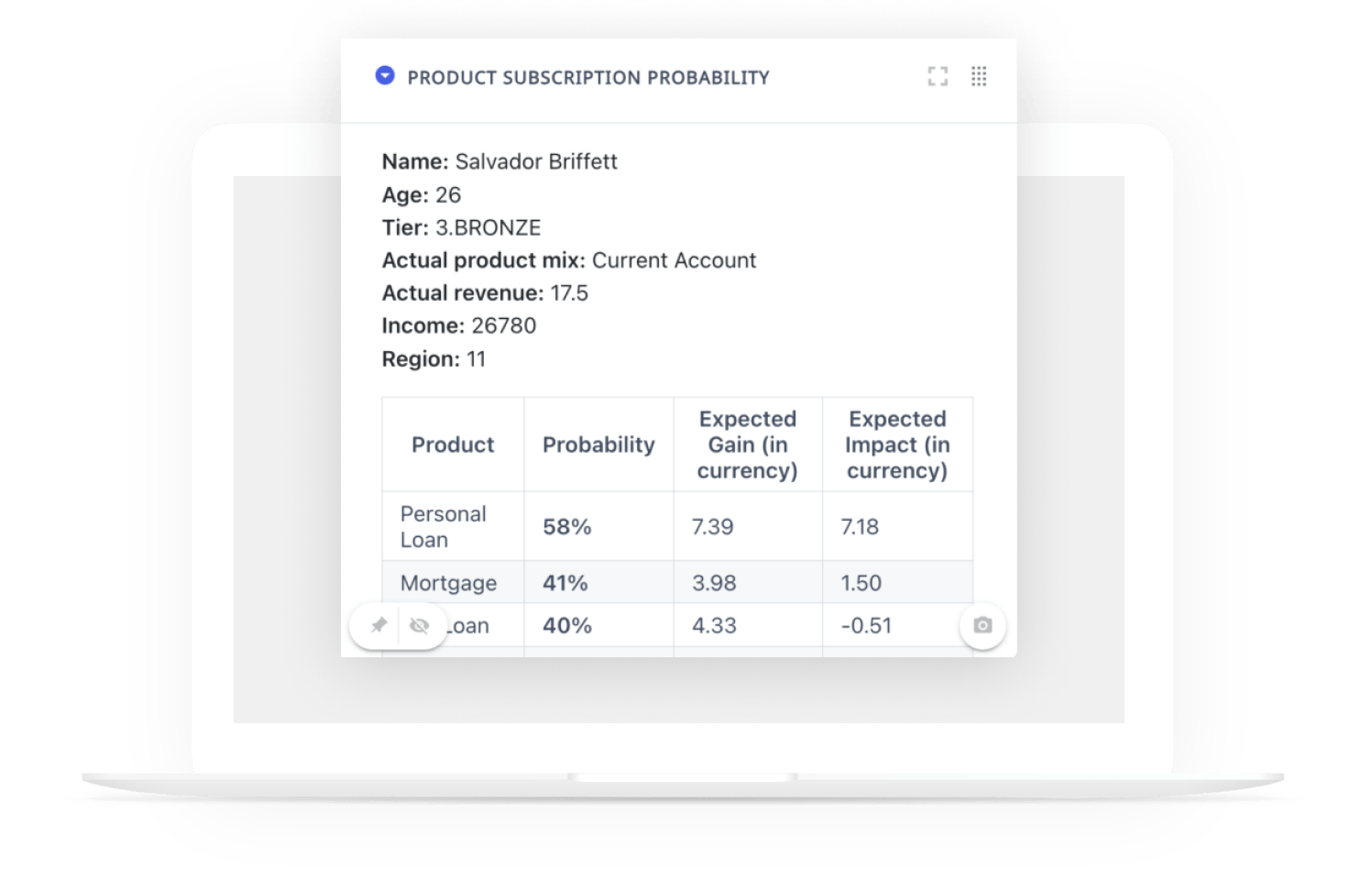
One of Picard’s most impactful achievements with Dataiku has been the development of a Customer Lifetime Value (CLV) model. This innovative project enables the company to predict how much revenue each customer will generate over the next 12 months, offering actionable insights across the business.
Picard tailored the CLV model by incorporating a rich array of data: customer behavior, engagement metrics, demographic profiles, and shopping channel preferences. Built using Dataiku’s intuitive MLtools, the model is precise — predicting customer revenue with remarkable accuracy. The process is automated and the model is updated monthly through a series of workflows, ensuring insights are always up to date.
Transformative Business Impact
The CLV model has had far-reaching effects on Picard’s operations.
- CRM Strategy: The model identifies customers at risk of disengaging, enabling targeted interventions like personalized coupons or promotions.
- Budget Planning: The model provides accurate revenue forecasts, helping leadership make informed financial decisions.
- Customer Segmentation: By revealing patterns in purchasing behavior, the model enhances customer segmentation and deepens Picard’s understanding of its audience.
Beyond CLV: Dataiku at the Core of Picard's Strategy
The CLV initiative is just one example of how Picard is leveraging Dataiku to transform its business.
- Weekly customer segmentation updates now provide real-time insights, ensuring marketing efforts remain relevant and impactful.
- Store clustering has been optimized, with tailored product assortments fine-tuned to local preferences.
- Advanced geomarketing analyses — powered by the integration of external data into Dataiku — are driving smarter decisions around store openings and product offerings.
The move to Dataiku has reshaped Picard’s data landscape. Notably, Picard has achieved a 75% accuracy rate in predicting customer segments after their first purchase, a testament to the precision of their data-driven strategies. Collaboration between data engineers, analysts, and scientists has flourished, while automation has streamlined processes, saving time and reducing manual intervention. Dataiku’s scalability ensures that Picard can continue to integrate new data sources and expand its analytics capabilities as needs evolve.
GET TO KNOW PICARD
Picard, the leader in frozen food distribution in France with a close to 20% market share, serves 10 million customers through its omnichannel presence.
https://www.picard.fr/INDUSTRY
Retail
FOUNDED IN
1906
HEADQUARTERS
Fontainebleau, France
TECH STACK
Dataiku
Microsoft Azure
Snowflake
Imagino
KEY CAPABILITIES
.png?width=928&height=620&name=Thumbnail%20link%20(2).png)