

Configure Your GenAI Pipeline
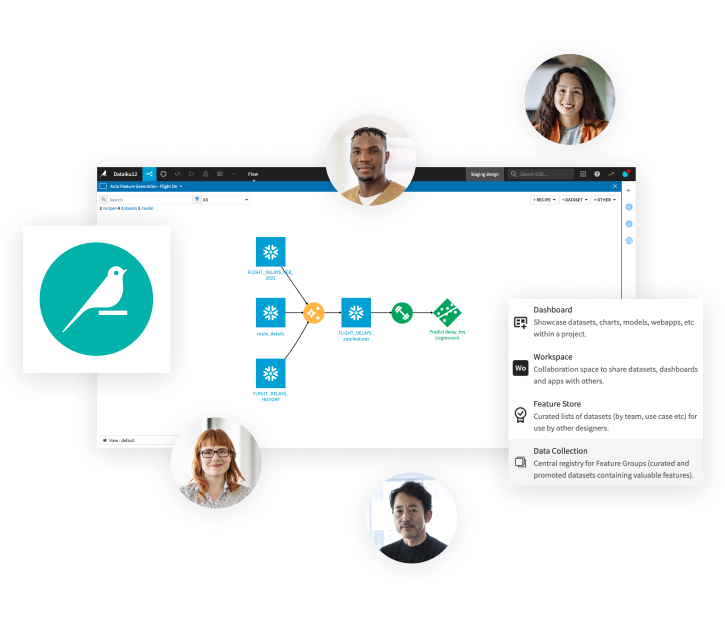
Upload clinical notes and select your preferred large language models through the Dataiku application. The solution automatically extracts medical concepts from unstructured electronic health records and maps them to standardized vocabularies. Works with any coding system including diagnosis codes, procedure codes, and custom ontologies.
Validate Medical Codes With Clinical Experts
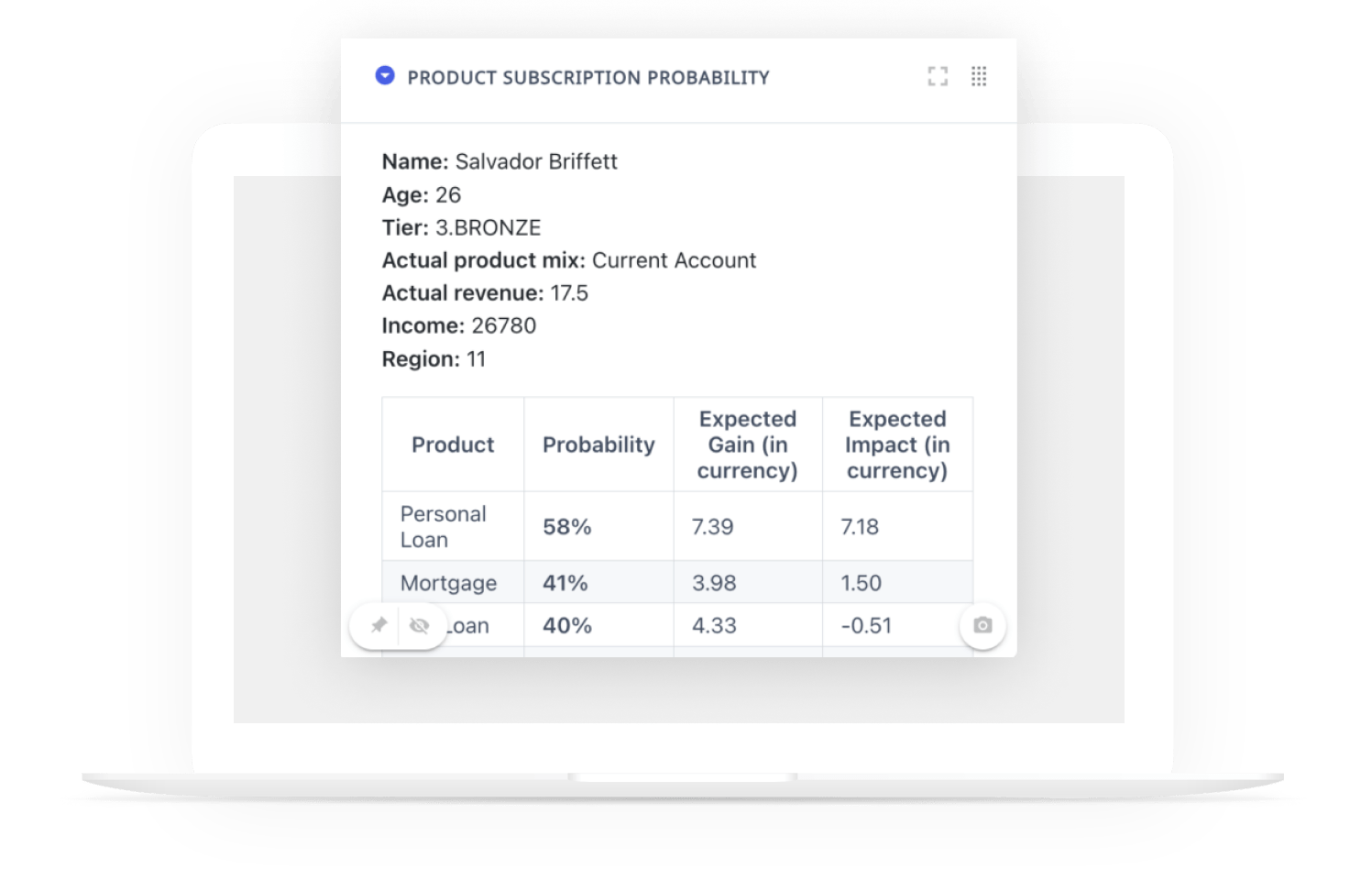
Clinical experts review and approve model-generated codes through an interactive web application. The interface displays extracted clinical events alongside assigned medical codes. Reviewers approve or correct codes while the system logs every action with timestamps and auditor names for compliance.
Review Verified Codes and Audit Logs
View clinical note summaries, verified medical codes, and complete auditor logs in one place. Track the full process from entity extraction to validation. Time logs measure review efficiency. Use verified codes for billing, reimbursement, patient analysis, and outcomes research.
Monitor Performance With GenAI Metrics
Track pipeline performance, code validity rates, and code prevalence across categories with the built-in metrics dashboard. Compare results across note types, specialties, facilities, and time periods. Adjust prompts, refine extraction rules, and update vocabulary mapping to improve automated medical coding.
Build Patient Datasets for Research
Convert clinical notes into structured datasets for analytics and research. Combine structured codes with clinical documentation insights. Use these datasets for cohort discovery, outcomes research, and clinical operations. Unlock the 80% of electronic health records data that is unstructured.
Scale Healthcare AI With Dataiku
The Dataiku Medical Entity Extraction Assistant moves you from manual medical coding to AI workflows. Build on this foundation for patient risk models, clinical decision support, and advanced healthcare analytics.
Dataiku provides the full platform to scale your healthcare AI. Create predictive models and GenAI applications across clinical and operational use cases.

The Total Economic Impact™
Of Dataiku
A composite organization in the commissioned study conducted by Forrester Consulting on behalf of Dataiku saw the following benefits:
reduction in time spent on data analysis, extraction, and preparation.
reduction in time spent on model lifecycle activities (training, deployment, and monitoring).
return on investment
net present value over three years.